



Building Europe’s own supply of critical raw materials
Hercinia is a Luxembourg company set up to acquire, finance and develop critical raw material deposits in Europe and the plants that process them.
The middle
Between the deposit and the factory
Europe has deposits, and it has industry. Between them sit concentration, refining and conversion, and that is where Europe falls furthest short. Hercinia is set up to own both the deposits and the plants in between, and to take the material through to an industrial specification.
About Hercinia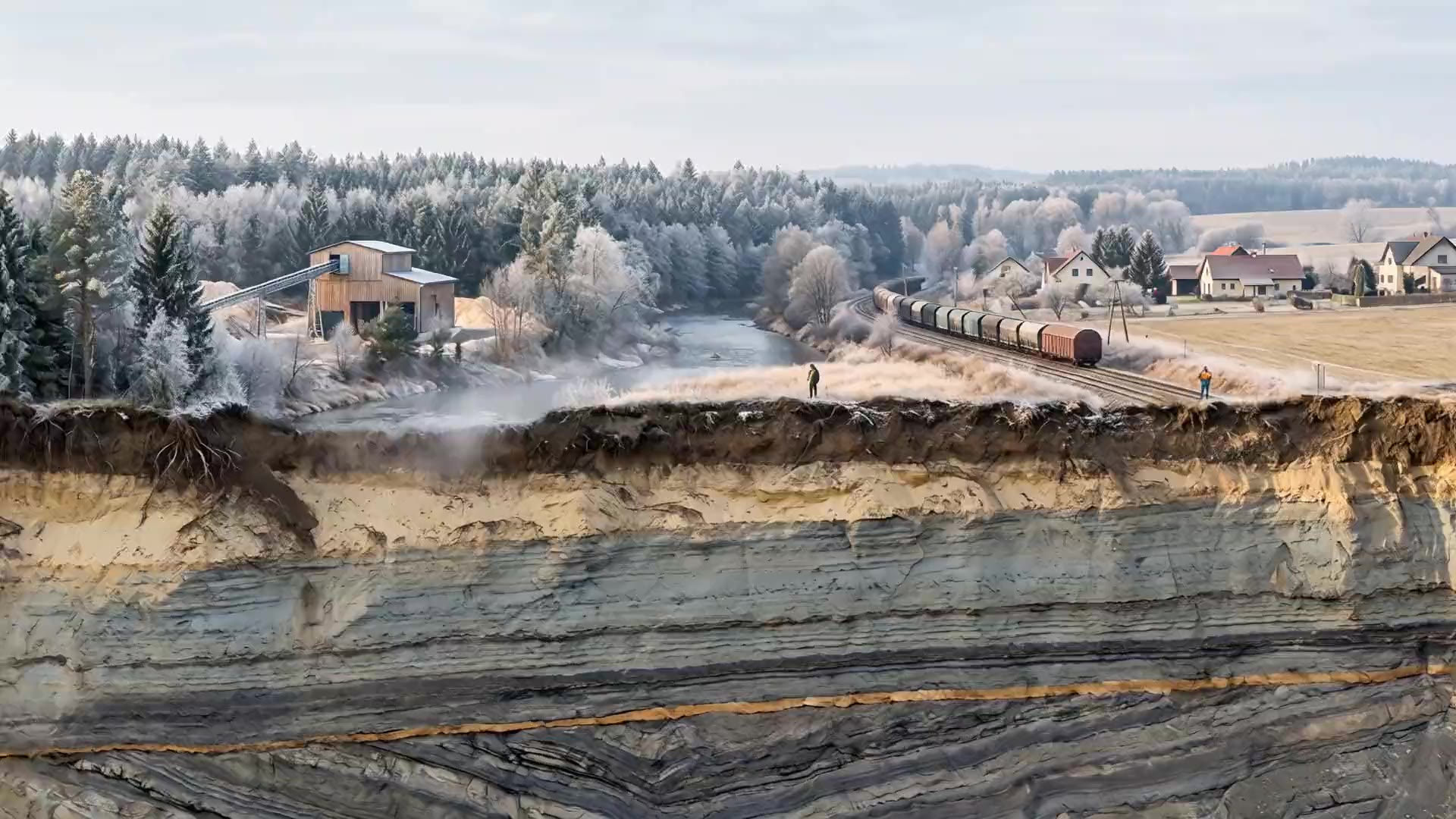
Independence starts in the ground.
Sovereignty needs a supply of its own.
Who it serves
For partners who plan in decades
Investors, European institutions, ministries, industrial offtakers and owners of deposits and plants each need something different from Hercinia.
 01
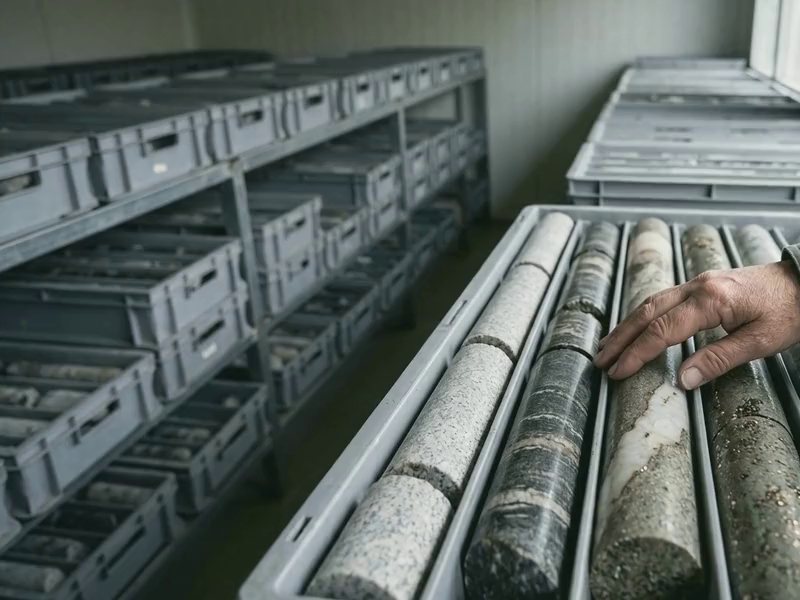
Institutional investors
Real assets behind your capital, spread across materials and countries, held for decades.
Contact us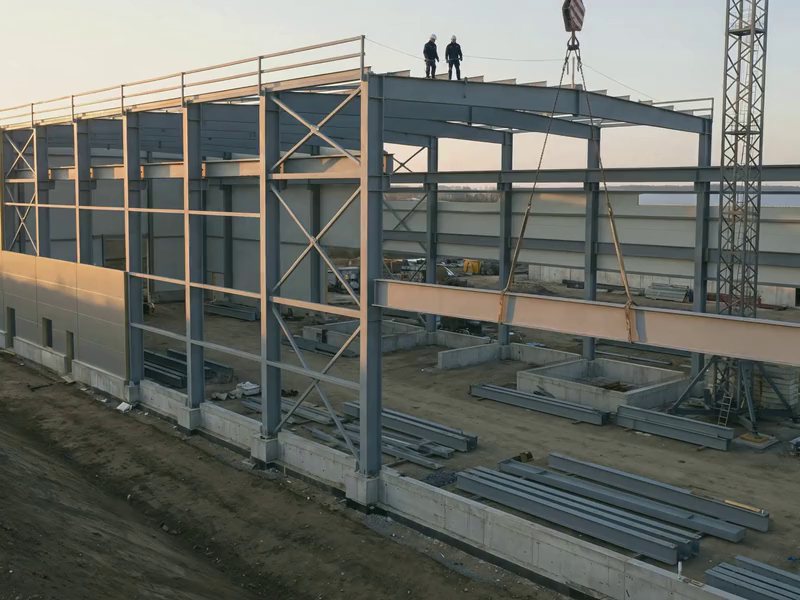 02
European institutions
Capacity that counts towards the 2030 benchmarks of the Critical Raw Materials Act, developed on commercial terms.
Contact us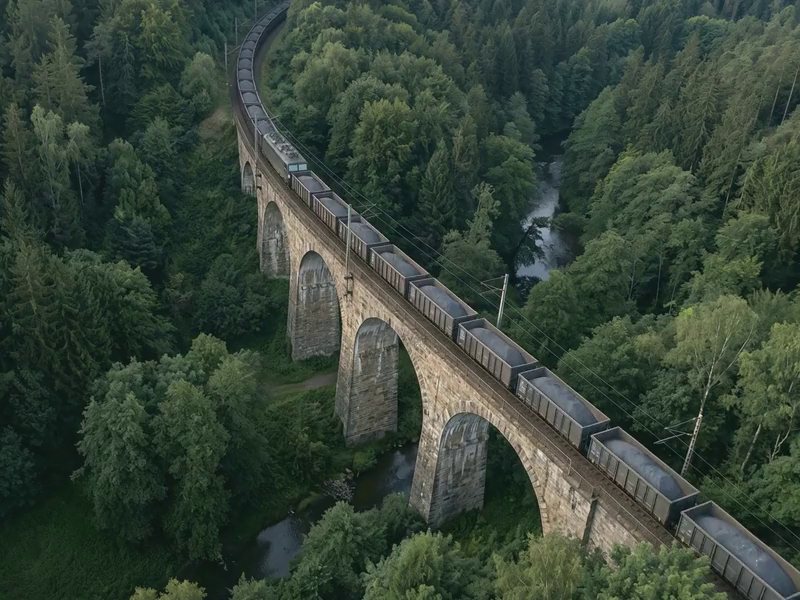 03
Ministries of defence and industry
Ownership and processing in Europe, with decisions taken in Europe.
Contact us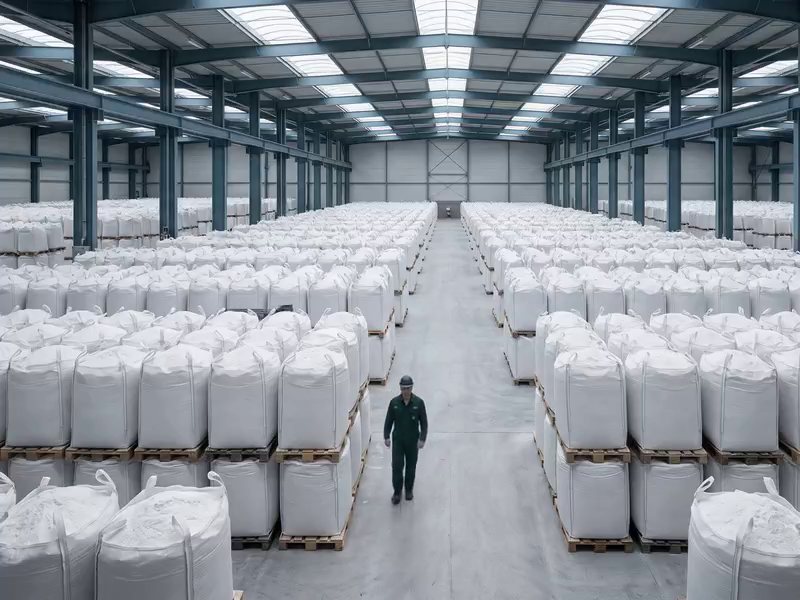 04
Industrial offtakers
Material to your specification, from a supplier that plans to still be supplying you in 20 years.
Contact us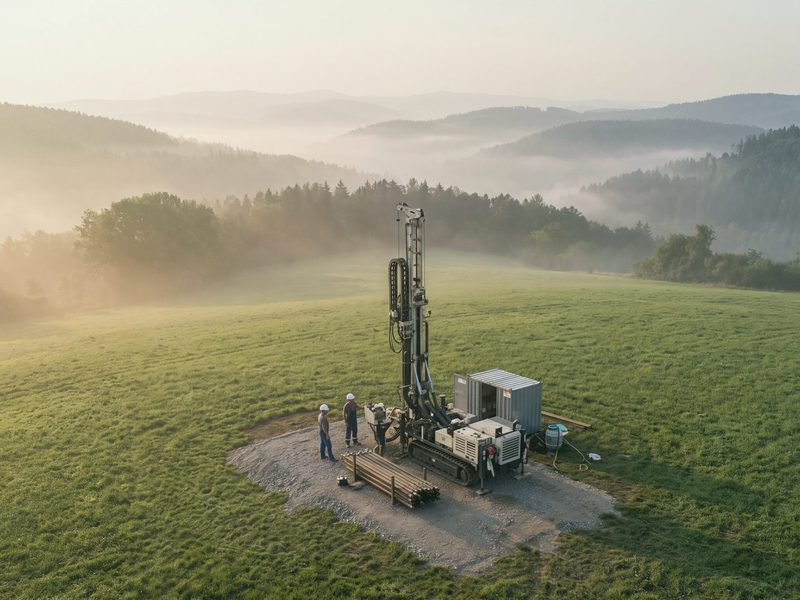 05
Owners of deposits and plants
Hercinia wants to hear from owners open to selling a controlling stake.
Contact us


- 01
Acquire
Controlling stakes in deposits and in the plants that process them.
- 02
Finance
Capital backed by ore bodies, permits and plants, open to public and industrial co-investors.
- 03
Develop
From resource to qualified material: permits, construction, qualification and offtake.

Every site, planned as a whole.
Before the first permit, Hercinia will work out where the rock comes out, where it is processed and what the land becomes afterwards.
Atlas
The gap is in the middle
Europe’s Critical Materials Atlas tracks 35 materials from public sources: where they come from, where the dependency sits and what governments are doing about it.
EU processing capacity
24%
of EU consumption, against a 2030 benchmark of 40%
Source: European Court of Auditors, Special report 04/2026, Critical raw materials for the energy transition (data for 2016 to 2020)
China
22of 35
materials where China holds the largest share of world mining or processing
Source: USGS 2026; IEA 2026
Import reliance
18of 35
materials for which the EU imports 90% or more of its supply
Source: European Commission, 2023 study
Material focus
Initial perimeter: twelve materials, four groups
For five of them, EU import reliance is 100%.
Battery and electrification


Agricultural inputs


Steel and alloys


Defence and manufacturing


Sources: European Commission, 2023 study; magnetite: GMK Center, 2025

What ends on 10 November
China suspended its October 2025 export controls until 10 November 2026. As of 30 October no notice extends the suspension. Its April 2025 licence requirement for seven rare earths stays in force.

What the words mean
Critical and strategic, benchmark and target, resource and reserve: twelve groups of terms that are often confused, as EU law and the industry’s reporting codes define them.

Where Europe’s supply sits
The 34 critical raw materials and potash: how much of each the EU imports, at which stage supply concentrates and which products and industries depend on them.
